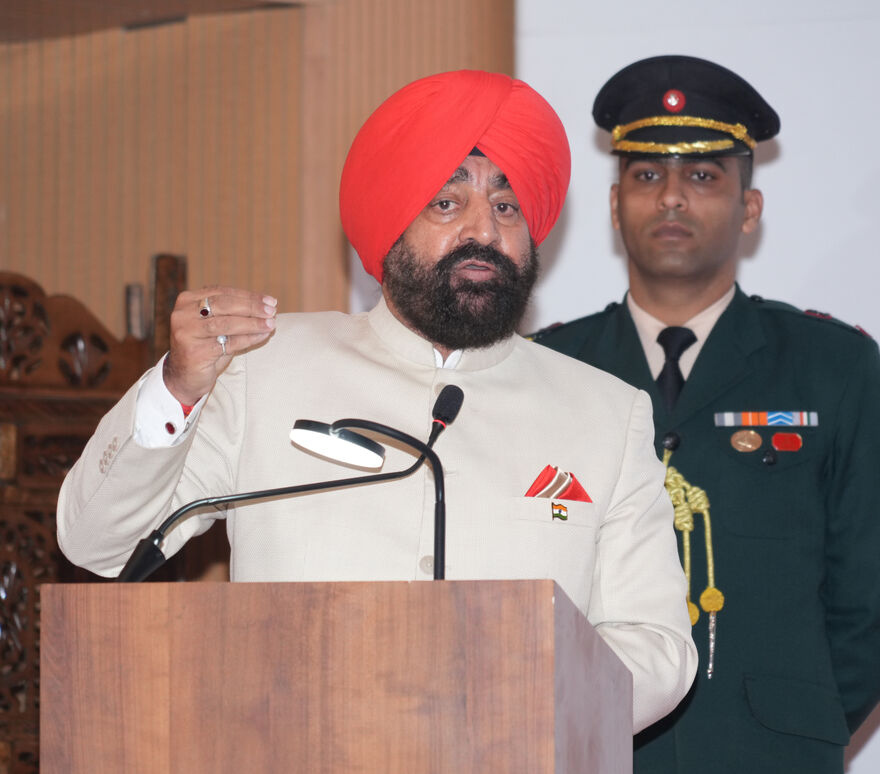


07-01-2026:The Hon’ble Governor participated in a seminar held at Clement Town(Doon), on the theme “Fortifying the Himalayas: A Proactive Military–Civil–Society Fusion Strategy in the Middle Sector.”
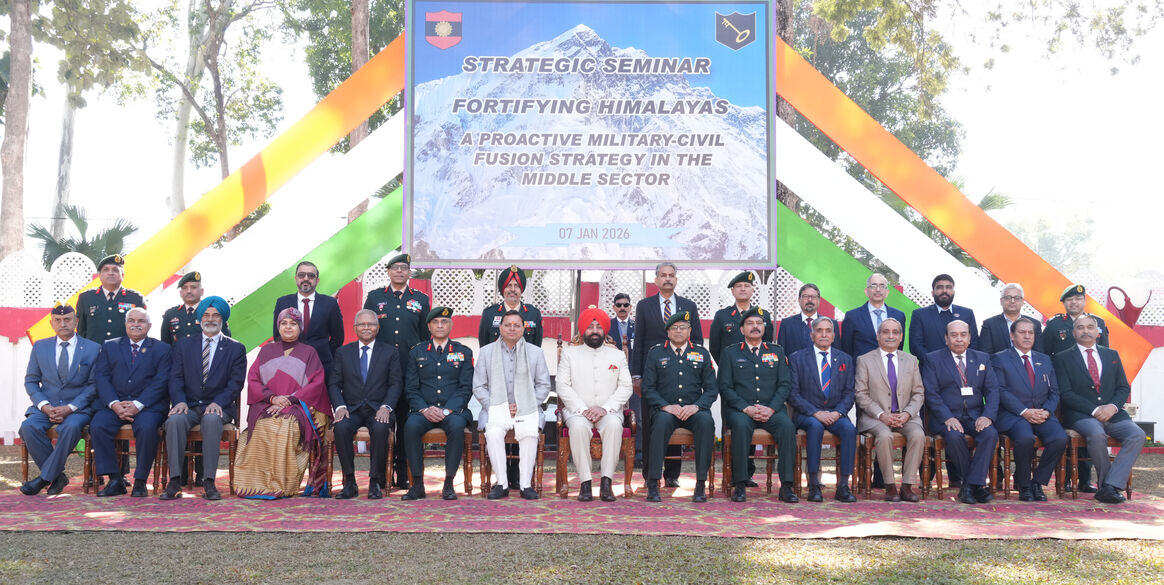
The Hon’ble Governor of Uttarakhand, Lieutenant General Gurmit Singh (Retd.), today participated in a seminar held at Clement Town, Dehradun, on the theme “Fortifying the Himalayas: A Proactive Military–Civil–Society Fusion Strategy in the Middle Sector.”
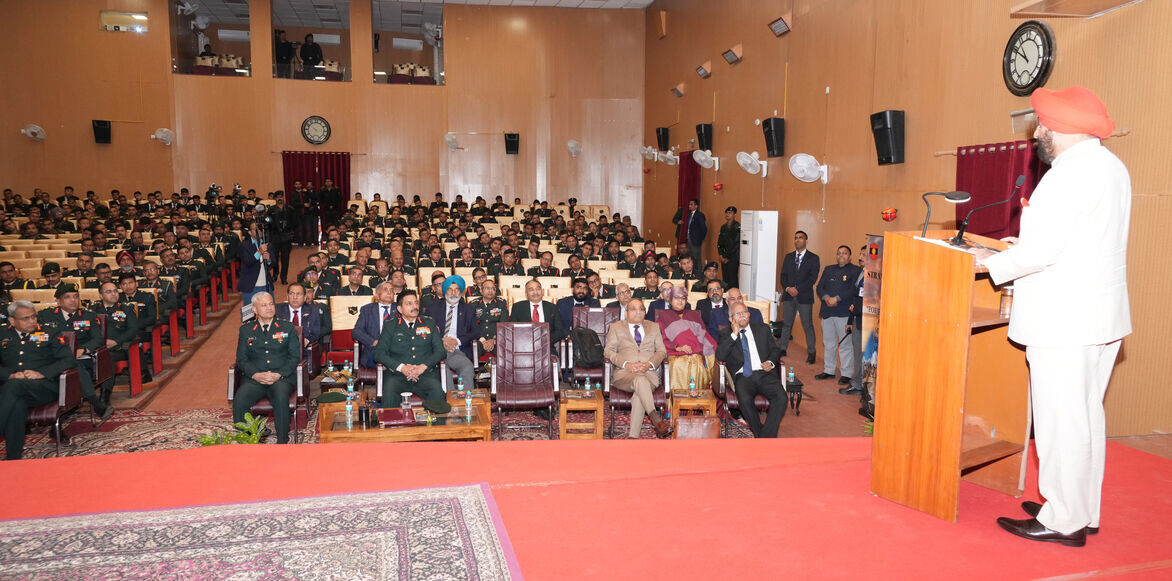
Addressing the gathering, the Governor stated that the Himalayas are not merely a geographical boundary, but a dynamic strategic ecosystem where terrain, infrastructure, population, governance, and military capability continuously interact. He observed that although the Middle Sector has traditionally been perceived as relatively stable, present-day realities demand sustained vigilance and proactive preparedness. Emphasising the India–China border in the Middle Sector, he stressed the need for effective coordination among the armed forces, civil administration, and society to strengthen security arrangements.
The Governor noted that contemporary security challenges are no longer confined to conventional military threats, but are increasingly shaped by hybrid warfare, grey-zone activities, dual-use infrastructure, and persistent pressure in border regions. In such a scenario, long-term security of the Himalayan region cannot rely solely on military preparedness, but requires close coordination with civil administration, local communities, and modern technology.
Highlighting the role of border villages, the Governor described them as a vital component of national security. He stated that local communities are not merely beneficiaries of development initiatives, but active stakeholders and force multipliers in border security. Programmes such as the Vibrant Villages Programme, he said, contribute not only to social and economic development, but also to population stability, logistical strength, and sustained national presence in border areas.
The Governor underscored the importance of infrastructure in high-altitude Himalayan regions, stating that roads, tunnels, bridges, air connectivity, and telecommunications are indispensable elements of operational readiness. Referring to the Char Dham Project, he said that it strengthens not only pilgrimage and disaster management capabilities, but also enhances strategic mobility and security preparedness.
Emphasising the role of modern technology, the Governor said that drones, advanced surveillance systems, and artificial intelligence–based platforms significantly enhance situational awareness and rapid response capabilities. However, he cautioned that technology can never replace leadership, judgement, and strong institutional frameworks.
The Governor also highlighted the direct linkage between environmental balance and operational capability in the Himalayan region. Environmental degradation, he said, adversely impacts livelihoods as well as logistics, communication, and disaster management. He stressed the need for a balanced approach that harmonises tourism, environmental conservation, and security requirements.
Concluding his address, the Governor remarked that the real strength of Himalayan borders lies in quiet preparedness, institutional coordination, and social trust. When the armed forces, civil administration, and society work in unison, Himalayan borders become more resilient, stable, and secure.
Focus on Community and Infrastructure Development in Border Areas: Chief Minister
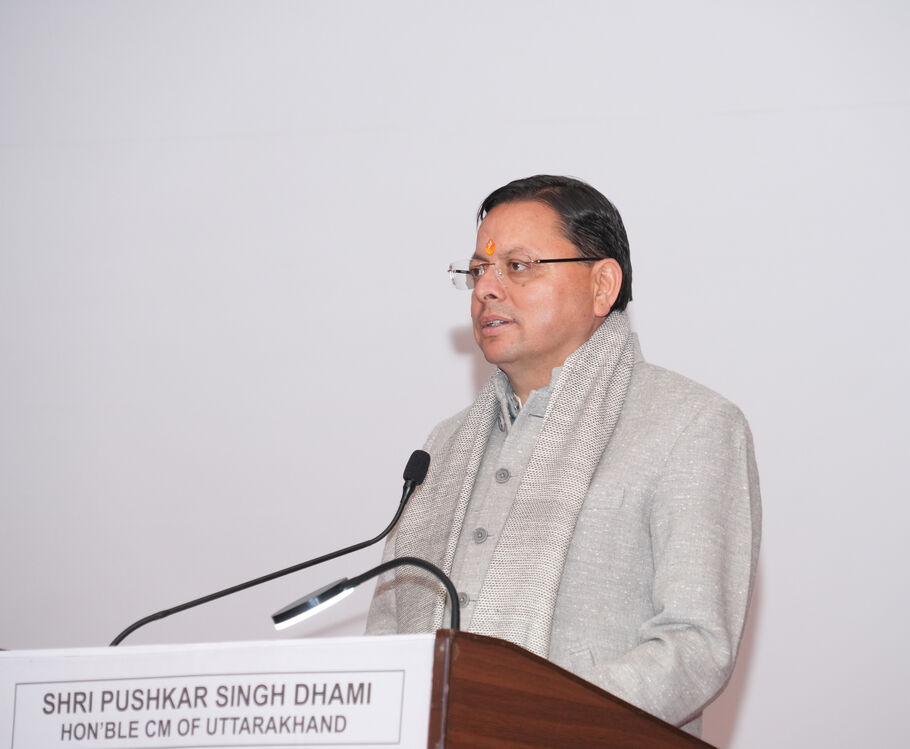
On this occasion, Chief Minister Shri Pushkar Singh Dhami stated that organising such a seminar on Himalayan security, disaster management, infrastructure strengthening, and military–civil coordination is extremely important. He said that the insights and recommendations emerging from the seminar would help strengthen strategic policy and contribute meaningfully to the development of the Himalayan region.
The Chief Minister noted that given the difficult terrain and limited population in Himalayan areas, enhanced coordination among the armed forces, local citizens, civil administration, and technical experts is essential. He described residents of border areas as the nation’s greatest strength, serving as the “eyes and ears” of the country and making invaluable contributions to national security. He emphasised that safeguarding the nation is the responsibility of every citizen, alongside the armed forces.
The Chief Minister further stated that under the leadership of Prime Minister Shri Narendra Modi, the Vibrant Villages Programme is being implemented to develop and empower border villages. He noted that Prime Minister Modi is the first Prime Minister to visit strategically significant and remote border villages such as Mana, which he described not as the last village of the country, but as its first. The Chief Minister affirmed that the State Government is working with firm commitment towards the development of border areas and the welfare of their residents.
On the occasion, GOC-in-C, Central Command, Lieutenant General Anindya Sengupta, shared his perspectives on challenges in the Middle Sector border region, empowerment of civil society, technological upgradation, and infrastructure development.
Former Ambassador Shri Ashok K. Kantha, Brigadier Anshuman Narang (Retd.), Lieutenant General Syed Ata Hasnain (Retd.), along with other distinguished participants, were also present at the seminar.
.……0…….
Photos
View All-
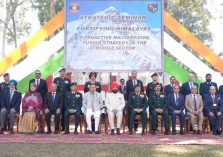 The Governor and Chief Minister with military officers at the seminar on the topic "Fortifying the Himalayas: A Proactive Military-Civil-Society Fusion Strategy in the Middle Sector."
 -
 The Chief Minister addressing the seminar on the topic "Fortifying the Himalayas: A Proactive Military-Civil-Society Fusion Strategy in the Middle Sector."
 -
 The Governor addressing the seminar on the topic "Fortifying the Himalayas: A Proactive Military-Civil-Society Fusion Strategy in the Middle Sector."
 -
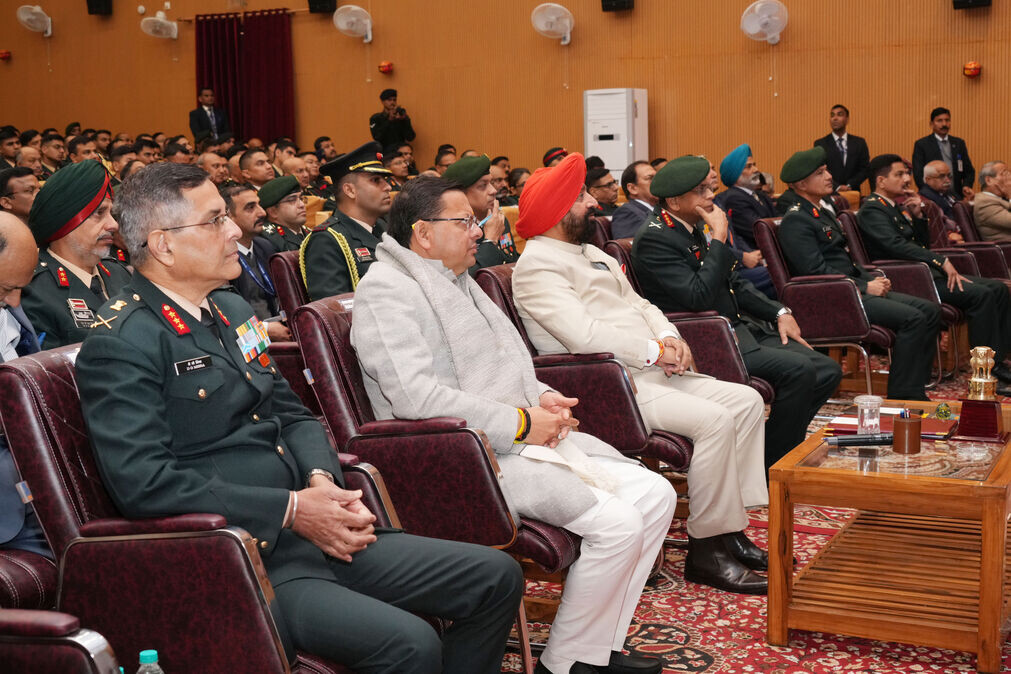
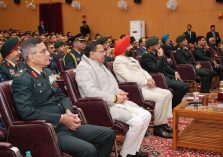 The Governor and Chief Minister participating in the seminar on the topic "Fortifying the Himalayas: A Proactive Military-Civil-Society Fusion Strategy in the Middle Sector."
 -
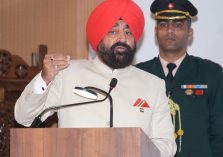 The Governor addressing the seminar on the topic "Fortifying the Himalayas: A Proactive Military-Civil-Society Fusion Strategy in the Middle Sector."